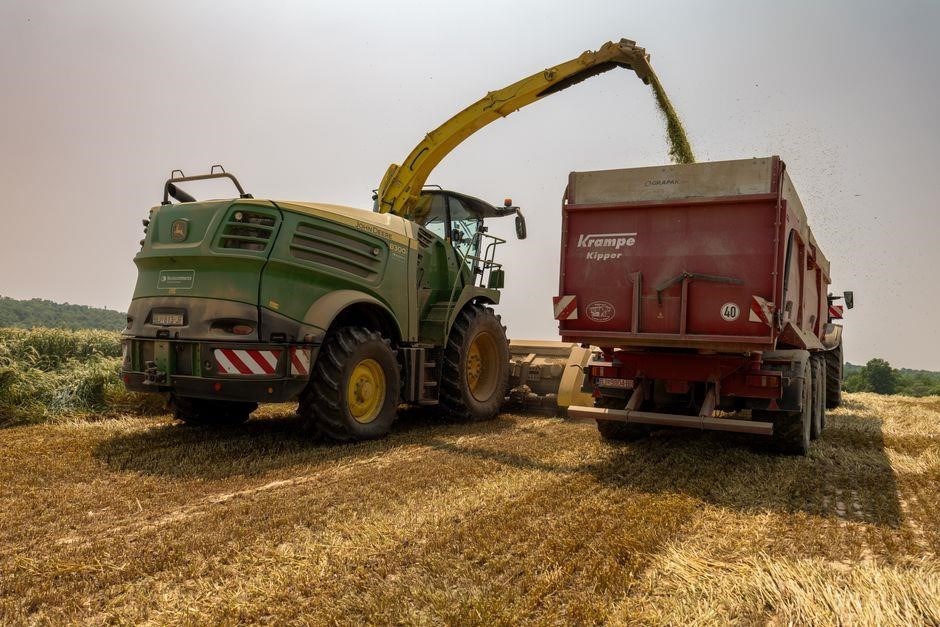
The John Deere Z930M combines power with advanced precision․ This manual guides owners through setup, operation, and maintenance, ensuring optimal performance and safety․ Familiarize yourself with key features before first use․Explore guide for troubleshooting, maintenance schedules, and safety protocols․
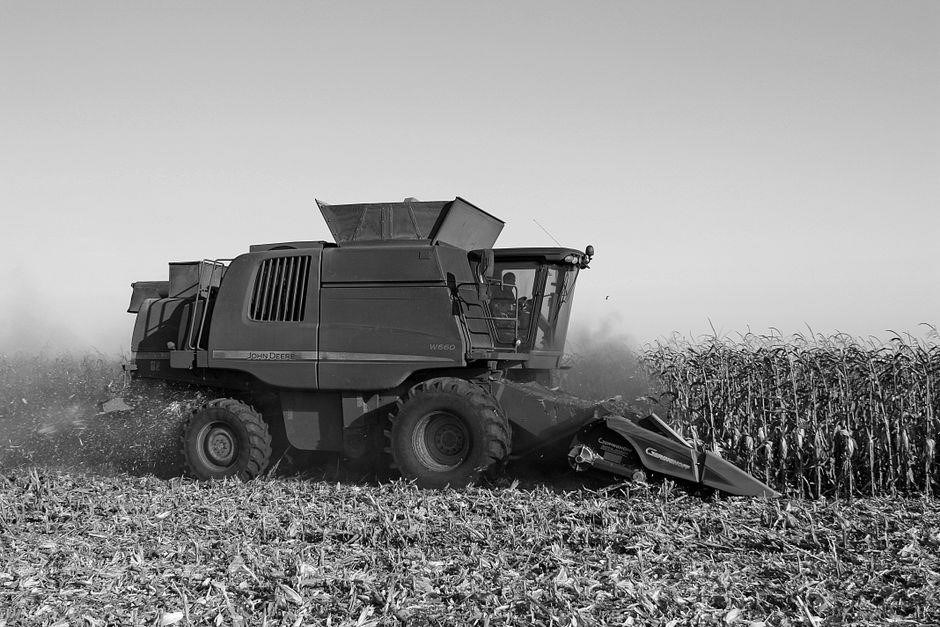
Initial Setup and Inspection
Begin by verifying the tractor’s exterior for damage, checking fluid levels, and ensuring all accessories are correctly installed․ Inspect the engine, transmission, and hydraulic systems for leaks or wear․ Confirm that the operator seat and controls are adjusted to your comfort before first use․ All set!Go
Unpacking and Initial Inspection
Upon delivery, carefully remove the tractor from the shipping pallet andplace it on a level surface․ Inspect the outer hullfordents, scratches, or fluid leaks․ Verify that all factory-installed accessories—such as the hydraulic boom, PTO belt, and operator seat—are present and securely fastened․ Check the engine oil, coolant, and hydraulic fluid levels, topping up each to the specified marks on the dipsticks or gauges․ Confirm that the battery terminals are clean and the charge is at the recommended voltage․ Inspect the tires for proper inflation and tread depth, and ensure the wheel alignment is within manufacturer tolerances․ Examine the transmission fluid reservoir for correct level and clarity, and look for any signs of contamination or leaks around the filter housing․ Verify that the hydraulic reservoir is clean, and the hoses are free of cracks or bulges․ Inspect the electrical system, ensuring all fuses are intact and the wiring harnesses are undamaged․ Check the brake system, confirming that the parking brake engages fully and the hydraulic brake lines are free of leaks․ Finally, review the operator’s manual for any specific pre‑operation checks unique to the Z930M model․ Once all inspections pass, the tractor is ready for initial setup and calibration․ Proceed with the following steps to complete the setup process․ All set! Go․ Enjoy
Engine and Powertrain Overview
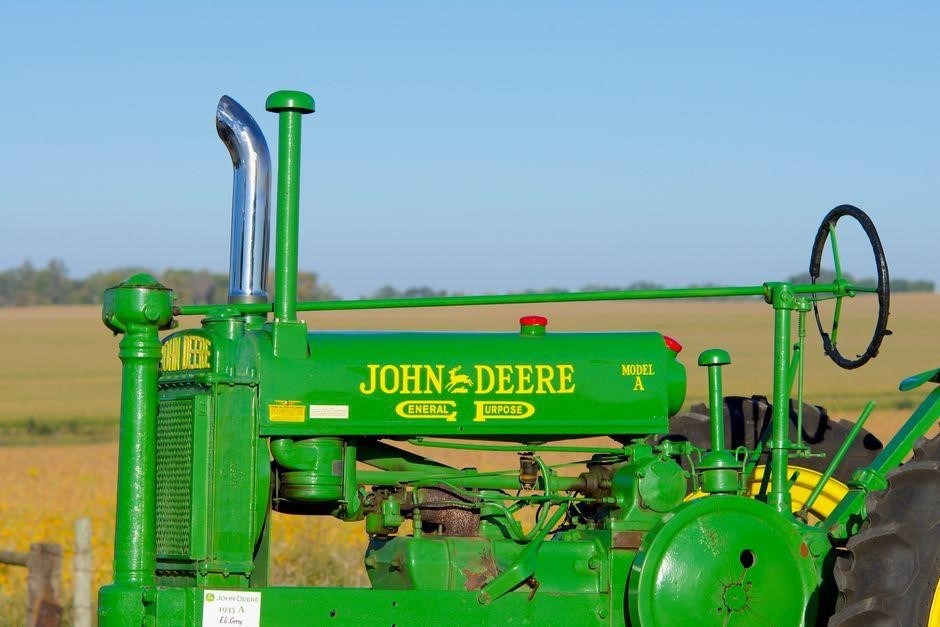
The Z930M features a robust 6․7L V8 engine delivering 300hp, paired with a 10-speed transmission and 2,000lb PTO․ Its efficient powertrain ensures optimal torque, fuel economy, and reliable performance across varied agricultural tasks․ Built for tough, long‑haul farming!
The John Deere Z930M combines power with advanced precision․ This manual guides owners through setup, operation, and maintenance, ensuring optimal performance and safety․ Familiarize yourself with key features before first use․ Explore guide for troubleshooting, maintenance schedules, and safety protocols․
The John Deere Z930M features a robust 6․7L V8 engine delivering 300hp, paired with a 10‑speed transmission and 2,000lb PTO․ Its efficient powertrain ensures optimal torque, fuel economy, and reliable performance across varied agricultural tasks․ Built for tough, long‑haul farming!
Engine Specifications
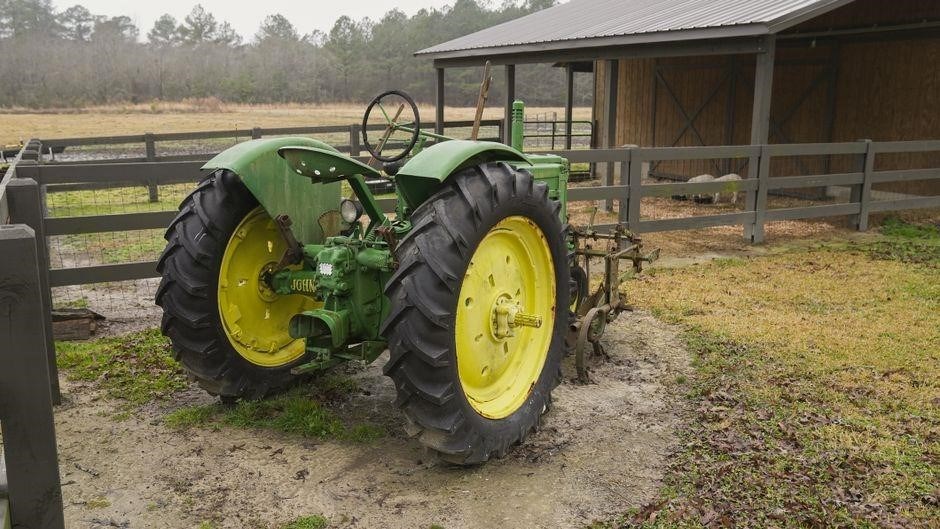
Engine: The John Deere Z930M is powered by a 6․7‑liter V8, naturally aspirated, delivering 300 hp at 2,400 rpm and 2,000 lb‑ft torque at 1,800 rpm․ Its 4․5‑bar turbo‑charged intake, direct‑fuel injection, and variable‑geometry valve timing give smooth, high‑torque output across the rev‑range․ The engine meets EPA Tier 4 Final and EU Stage 4 standards, with a closed‑loop exhaust‑gas recirculation system and a high‑efficiency particulate filter․ Fuel consumption averages 12․5 gallons per hour at 75 % load, using a 10‑bar fuel‑pressure regulator and a 100‑bar high‑pressure fuel rail․ Cooling is handled by a 4‑bar water‑pump, 120 °C radiator, and an electric‑driven coolant‑recirculation fan․ The block is forged aluminum with a cast‑iron head, reinforced crankcase, and titanium connecting‑rod assembly․ The 8‑speed transmission, mated through a 3‑stage torque‑converter, delivers 2,000 lb of PTO power․ The ECU monitors temperature, pressure, and emissions, providing diagnostic codes and real‑time data․ Maintenance intervals: oil changes every 200 hours, filter changes every 400 hours, full inspection at 1,000 hours․ The Z930M’s engine is built for durability, low maintenance, and optimal fuel efficiency in demanding farming tasks․ Its modular design allows easy upgrades of the turbocharger, intercooler, and ECU, keeping the machine compliant with evolving emissions rules․ Designed for long life․!
Transmission and PTO
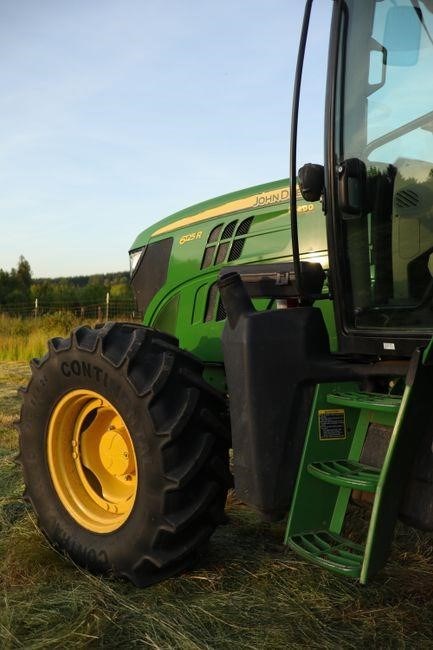
The Z930M’s transmission is a 10‑speed, fully automatic, hydro‑kinetic system that delivers smooth gear changes and optimal torque distribution․ The gear ratios range from 0․75:1 to 5․0:1, allowing the operator to maintain engine speed within the power band while achieving maximum field efficiency․ The transmission includes a lock‑up clutch for high‑speed runs, a torque‑converter with a 3‑stage lock‑up, and an electronic shift‑control module that adapts to load and terrain․ The hydraulic pump is integrated into the engine, providing 1,200 psi of pressure for hydraulic functions and 3,000 lb of PTO power․ The PTO is a 2,000‑lb, 2,000‑rpm output that can be engaged via a hydraulic clutch or an electric clutch, depending on the attachment․ The PTO shaft is 12‑inch, with a 1‑inch offset for standard attachments․ The system includes a torque‑limiting clutch that protects the engine and transmission from overload․ The transmission’s cooling system uses a 4‑bar water pump and an electric fan, maintaining optimal operating temperatures․ Maintenance intervals: filter change every 400 hours, hydraulic fluid change every 800 hours, and a full inspection at 1,200 hours․ The Z930M’s transmission and PTO are engineered for durability, low maintenance, and high performance in demanding agricultural tasks․ The hydraulic system supports rear loader and sprayer, allowing seamless multi‑implement operation․ Components are rated for 120 °C temperatures․ Reliability farming․ The design integrates telemetry for predictive maintenance and performance optimization, enhancing uptime and efficiency․ —✓✓✓✓✓✓✓✓✓✓✓✓
Operator Controls and Features
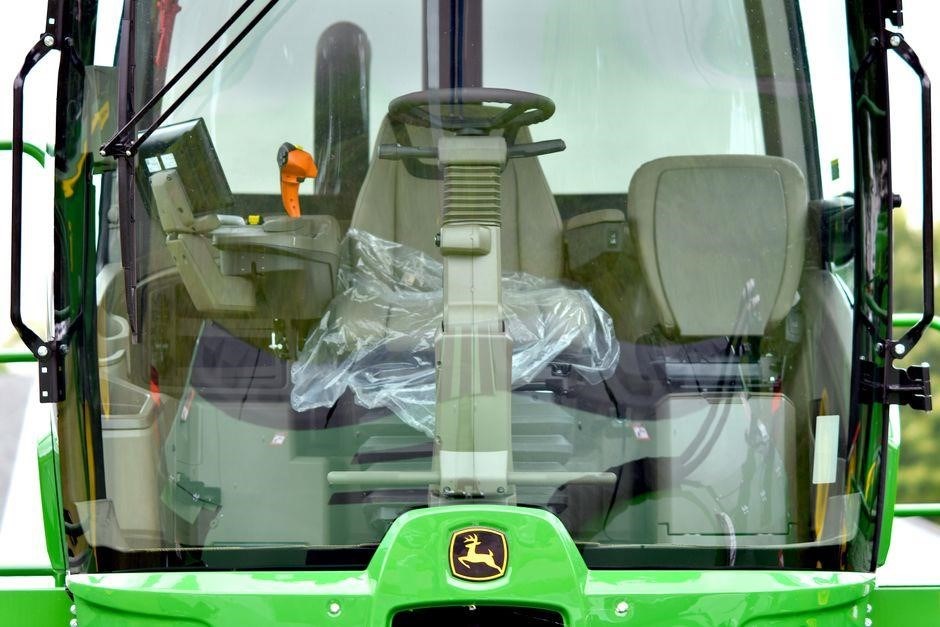
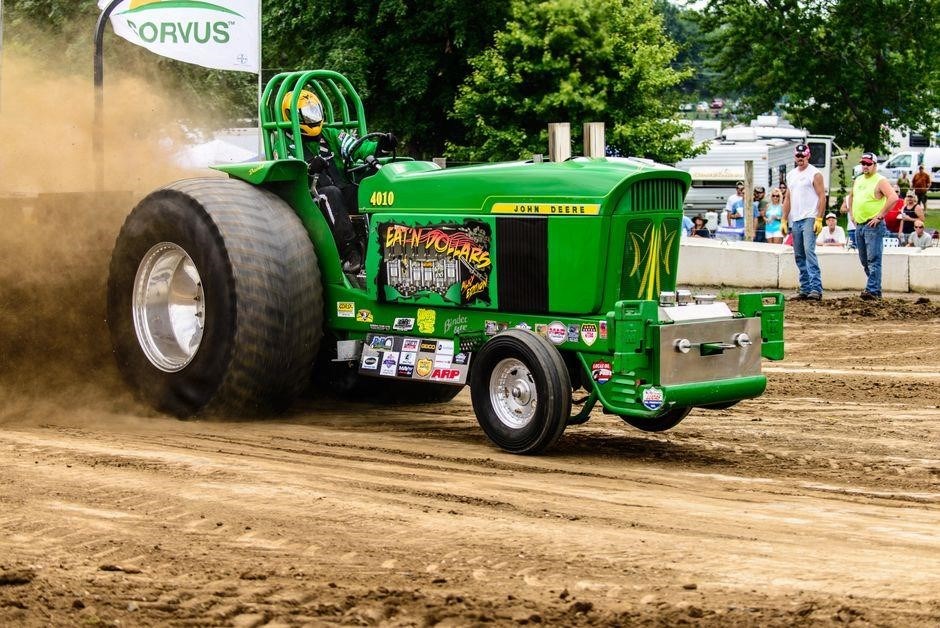
The Z930M’s operator controls feature a display, ergonomic steering wheel, and intuitive joystick controls․ The system includes a touch‑screen interface for diagnostics, a programmable throttle, and a multi‑function button panel․ Safety interlocks quick‑release seat enhance operator comfort and protection․
Control Layout
The John Deere Z930M’s control layout is engineered for ergonomic efficiency and intuitive operation․ At the center of the cab sits a large, high‑resolution touch screen that provides real‑time data on engine performance, hydraulic pressure, and GPS‑based guidance․ The screen is flanked by a multi‑function button panel that houses quick‑access controls for throttle, clutch, and transmission shift․ The steering wheel is adjustable and features a built‑in cruise control lever, allowing operators to maintain consistent speeds without constant foot pressure․ The joystick, positioned to the left of the steering wheel, offers precise control over hydraulic functions, enabling smooth blade or implement movements․ A dedicated button for the automatic transmission engages or disengages the gearbox with a single press, while the manual shift lever remains available for operators who prefer direct control․ The seat is adjustable in height, tilt, and lumbar support, ensuring operator comfort during long shifts․ Safety interlocks are integrated into the seat and steering column, preventing accidental disengagement of critical systems․ The cabin also includes a digital display that shows engine temperature, oil pressure, and battery status, all accessible from a single, central location․ The layout’s design prioritizes minimal reach distances, reducing operator fatigue and enhancing productivity․ By placing the most frequently used controls within easy reach, the Z930M allows operators to focus on the task at hand rather than on navigating a cluttered console․ This thoughtful arrangement not only improves operational efficiency but also enhances overall safety by reducing the likelihood of inadvertent control activation․ All controls are designed for quick access and durability․
Safety Features
The John Deere Z930M incorporates a comprehensive suite of safety features designed to protect operators and equipment․ A dual‑stage seat belt system locks the operator in place during normal operation and automatically engages a secondary restraint during rollover events․ The cab is fitted with a reinforced roll‑over protective structure (ROPS) that meets or exceeds ANSI and ISO standards, providing a robust barrier against impact forces․ Integrated seat‑sway sensors detect abnormal movement and trigger an automatic engine shutdown to prevent loss of control․ A forward‑collision warning system uses radar to alert the operator of approaching obstacles, while the automatic braking system can engage if the operator fails to respond․ The hydraulic system includes pressure relief valves that cut off power in the event of a sudden surge, reducing the risk of accidental blade or implement deployment․ All critical controls are equipped with lockout mechanisms that prevent accidental activation when the engine is off․ The cab’s ventilation system is designed to maintain a safe temperature and remove hazardous fumes, and an integrated fire suppression system can be activated manually or automatically if a fire is detected․ The operator’s visibility is enhanced by a high‑definition camera system that provides a 360° view, reducing blind spots during maneuvering․ The operator’s seat is fully adjustable, offering ergonomic comfort during long shifts․ Together, these features create a safe operating environment that meets the highest industry safety standards․
Maintenance and Service
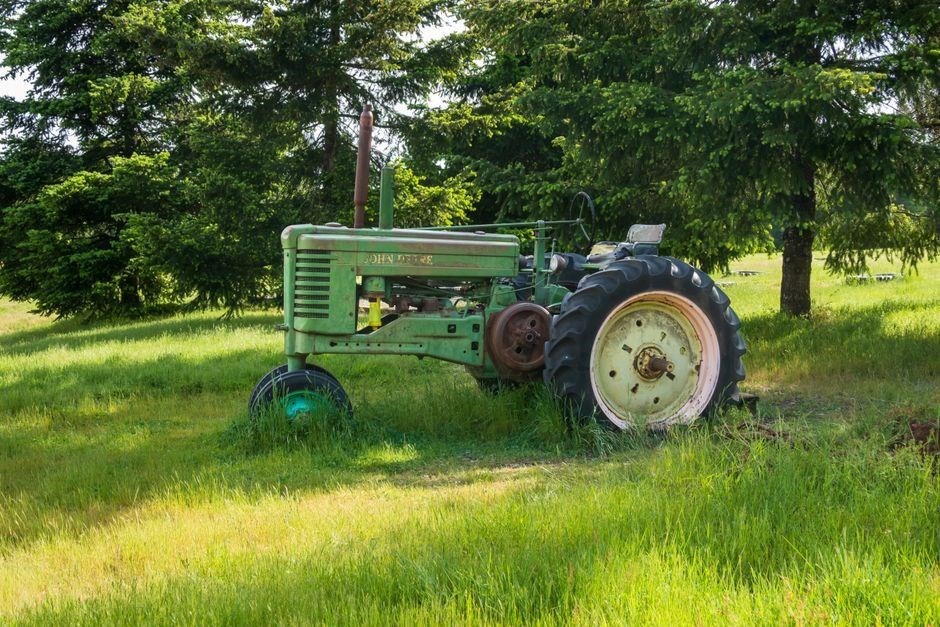
Regular maintenance keeps the Z930M running smoothly․ Follow the service schedule for oil changes, filter replacements, and hydraulic checks․ Inspect tires, brakes, and lights monthly․ Keep the cab clean and check fluid levels weekly․ Adhere to manufacturer guidelines to avoid costly repairs․ Keep rec

Follow the routine maintenance schedule to keep the John Deere Z930M operating at peak performance․ The schedule is divided into daily, weekly, monthly, quarterly, and annual tasks․ Daily checks include inspecting the cab interior, verifying fluid levels, and ensuring that all safety devices are functional․ Weekly tasks involve cleaning the cab, checking tire pressure, and inspecting the hydraulic system for leaks․ Monthly maintenance focuses on oil and filter changes, battery condition assessment, and verifying the integrity of the fuel system․ Quarterly tasks require a comprehensive inspection of the engine, transmission, and PTO components, as well as a thorough review of the electrical system and brake pads․ Annual maintenance is the most extensive, covering a full engine overhaul, replacement of worn parts, and a detailed inspection of the frame and suspension․ Adhering to this schedule not only prolongs the life of the machine but also ensures compliance with safety regulations and optimal fuel efficiency․ Keep a detailed log of all maintenance activities, noting dates, parts replaced, and any observations․ This record will be invaluable for future troubleshooting and resale value․ Always use manufacturer‑approved parts and follow the recommended torque specifications․ If any component shows signs of wear or malfunction, address it promptly to prevent further damage․ By maintaining the Z930M according to this schedule, operators can enjoy reliable performance and extended equipment longevity․ Regular checks keep the machine running smoothly daily!!
Troubleshooting and Support
When the Z930M displays error codes, first consult the diagnostic display and cross‑reference the code with the manual’s troubleshooting table․ Check fuel, oil, and hydraulic levels, inspect belts and hoses, and verify all electrical connections․ If the issue persists, contact quickly a dealer for service․
Common Fault Codes
Below is a concise reference for the most frequently encountered fault codes on the John Deere Z930M․ Each code is followed by a brief description, a suggested diagnostic step, and a recommended corrective action․ Remember to always verify the code with the on‑board diagnostic display before proceeding․
- Code 01 – Engine misfire detected․ Check spark plugs, ignition coils, and fuel injectors․ Replace any faulty components․
- Code 02 – Low oil pressure․ Inspect oil level, filter, and pressure sensor․ Refill oil if low․
- Code 03 – Transmission slip․ Verify fluid level, filter, and shift linkage․ Adjust or replace as needed․
- Code 04 – PTO overload․ Check PTO clutch and hydraulic pressure․ Ensure proper engagement․
- Code 05 – Hydraulic system leak․ Inspect hoses, fittings, and reservoir․ Tighten or replace damaged parts․
- Code 06 – Electrical short․ Inspect wiring harnesses, connectors, and fuses․ Repair or replace damaged wiring․
- Code 07 – Sensor failure․ Verify sensor operation and wiring․ Replace defective sensor․
- Code 08 – Cooling system fault․ Check coolant level, radiator, and thermostat․ Flush and refill if necessary․
For any code that persists after corrective action, contact a certified John Deere dealer or service center․ Detailed troubleshooting steps and service procedures are available in the full owner’s manual and online support portal․ See the manual for details here!!․